Speak to Z21
  • Actionable plan on how to grow your online sales
  • Industry-relevant case studies and benchmarks
  • Bounce ideas with our team
  • Enquire about Z21's services

NADA Identity | Ad Performance

Malaysia
NADA Identity

Services

Performance Marketing

Creative Strategy

CRO

Industry

Modest Activewear

Year

2026
Within 5 months
+267%
Monthly Revenue
+267%
Monthly Revenue
+155%
Monthly Ad Spend
10.1x
Blended ROAS

“Before Z21, we were heavily dependent on launches which sometimes worked and sometimes didn't. This made it difficult to predict our sales. After Z21 came in, our daily sales stabilised and it was easier to scale from thereon because there was much more predictability in sales. Ultimately, the biggest value from an agency is their willingness to go deep into the brand, understand it, grow with it and ultimately show passion, which is something that I truly appreciate from Z21.”

Fairuz
Founder @ NADA Identity
Overview

Ads Performance

NADA Identity is a Malaysian modest activewear label selling direct through its own website, built around windbreakers, hoodies and athleisure designed for covered, active wear. The brand had built a strong following on product drops that sold out within hours.

In April 2026 a new account lead took over and re-audited the account from the ground up. That month closed just under the 8× return the business needs to break even. Five months later the account was running at 10.1× on two and a half times the spend.

‍

No items found.
01
Expand +
Collapse -
+
-
Before
After
Before
After
Before
After

The Challenges

  1. The drop calendar was carrying the month on its own

    Nada's launches sold out quickly and reliably, which made them the natural place to put budget and attention. The effect was that the quieter weeks between drops had very little working for them, and each month's result rested heavily on how the next launch performed.
  2. Strong demand was being lost at the final step

    Clicks, product page visits and add-to-carts were all matching the brand's best trading period on record. Completion at the payment step was running at 33.9%, against 41.3% in that earlier period. Until that recovered, additional spend would only have sent more shoppers into the same step.
  3. Creative had outgrown the brief it was built on

    A single hero asset had carried the account for six months, which says plenty about how well it was made. By April it was working across a far wider product range than it was created for, and newer production was going out without a shared view of which buying angle each piece should carry. Ads were also landing on the homepage, leaving shoppers to find the product themselves. On the best-selling jacket, that routing was costing RM51 to win a customer, where the product page would later bring it to RM12.
  4. Three channels were sitting idle

    Google Ads had been switched off. TikTok was running as a small tail-end line. Singapore was treated as a market that had already been tested and found difficult. Each had been set aside for reasons that were worth revisiting with fresh data.

Key Objectives

  1. Clear the break-even line and hold it

    Clear the 8× return the business needs to break even, and hold it as spend grows.
  2. Build an always-on structure

    Build an always-on structure that carries the quieter weeks and that every future drop plugs into.
  3. Re-test the idle channels

    Re-test the idle channels on fresh evidence before accepting any of them as closed.

Our Approach

1. Re-audit before adding budget

Four fatigued campaigns were paused, freeing RM9,523 a month, and every ad was re-pointed at the product page it was actually selling. Those ad sets went on to turn 13–18% of visitors into add-to-carts, against an account average of 11%.

2. Build the always-on layer alongside the launches

A four-layer structure went in behind the drop calendar, with one permanent campaign per product. The hero jacket's campaign moved from 3.31× to 7.86× return in seven days. Five more product campaigns shipped in early May and all cleared Meta's learning phase within a week.

3. Give creative a direction and a destination

April's output was re-sorted by the buying angle behind each ad, setting format aside. Creator-led work returned 8.30× against in-house production at 5.40×, and the difference tracked to angle: aspirational and lifestyle framing performed, while detail-led product carousels struggled. Brief cadence, angle rotation and product-page routing all came out of that read.

4. Re-open the idle channels, one at a time, on evidence

  1. Google

    Restarted on 14 April and returned 19.9× in its first seventeen days, rising to 21.9× by mid-May. A search-term review then found the campaigns were hitting their daily budget ceiling while comfortably clearing the quality bar, which made the next move a budget decision. The same review caught several obvious-looking search terms that would have blocked converting traffic had they been excluded.
  2. TikTok

    Relaunched across the full catalogue. A campaign named after a single product turned out to be serving the whole range, and 23% of its spend was generating 75% of its revenue. On like-for-like April data it delivered 36% more revenue on 11% less spend than the three new Meta always-on campaigns combined, which moved it from tail-end line to focus channel.
  3. Singapore

    Returned 5.86× against Malaysia's 12.55×, which read as a creative problem. The funnel showed something else. Singapore turned 60% more product page visits into add-to-carts than Malaysia did, and the loss came at the cart page, where 59% of add-to-carts never reached checkout, against 33% in Malaysia. Creative was the strongest part of that funnel. The rest of the gap traced to auction structure, with a reachable audience roughly a sixth the size of Malaysia's, which set a realistic target of 6–8× and turned the brief into a cart-page fix.

5. Turn launches into a repeatable process

An April restock ran at four times the proven budget and produced the same number of orders, returning 4.31× where the same product had returned 18.58× a month earlier. That produced three standing rules: a spend ceiling on launch day, a two to three day awareness ramp beforehand, and one ad set per product. Eight drops later, the August range opened at 23.3% of visitors adding to cart and 13.76× return in its first 48 hours, the strongest opening of the year.

The Results

Within 5 Months of the Rebuild
April to August 2026
  1. ▲ +267% Monthly revenue across every channel Z21 manages
  2. ▲ +155% Monthly ad spend absorbed, with efficiency still rising
  3. 10.1× Blended return on ad spend in August, against an 8.0× break-even, beaten in every week of the month
  4. 10.35× Meta return on ad spend, at RM21.85 per purchase
  5. Zero Wasted spend at month scale, with no ad spending over RM100 failing to produce a sale

The account now trades through the quiet weeks as well as the launch days, with three channels earning above break-even. Every drop runs off a process that can be repeated.

Figures cover April to August 2026. Revenue and spend are measured across Meta, TikTok GMV Max and Google, the channels Z21 manages for Nada.


‍

No items found.
No items found.
No items found.
No items found.

Results That Speak for Themselves

We focus on tangible outcomes—not just design for design’s sake. Here’s what our clients typically see after we launch or revamp their Shopify websites:
+267%
Monthly Revenue
+155%
Monthly Ad Spend
10.1x
Blended ROAS
Better user experience = better results across sales and marketing performance, including higher ROAS for ad campaigns.

NADA Identity

“Before Z21, we were heavily dependent on launches which sometimes worked and sometimes didn't. This made it difficult to predict our sales. After Z21 came in, our daily sales stabilised and it was easier to scale from thereon because there was much more predictability in sales. Ultimately, the biggest value from an agency is their willingness to go deep into the brand, understand it, grow with it and ultimately show passion, which is something that I truly appreciate from Z21.”

Fairuz
Founder @ NADA Identity

The Challenges

  1. The drop calendar was carrying the month on its own

    Nada's launches sold out quickly and reliably, which made them the natural place to put budget and attention. The effect was that the quieter weeks between drops had very little working for them, and each month's result rested heavily on how the next launch performed.
  2. Strong demand was being lost at the final step

    Clicks, product page visits and add-to-carts were all matching the brand's best trading period on record. Completion at the payment step was running at 33.9%, against 41.3% in that earlier period. Until that recovered, additional spend would only have sent more shoppers into the same step.
  3. Creative had outgrown the brief it was built on

    A single hero asset had carried the account for six months, which says plenty about how well it was made. By April it was working across a far wider product range than it was created for, and newer production was going out without a shared view of which buying angle each piece should carry. Ads were also landing on the homepage, leaving shoppers to find the product themselves. On the best-selling jacket, that routing was costing RM51 to win a customer, where the product page would later bring it to RM12.
  4. Three channels were sitting idle

    Google Ads had been switched off. TikTok was running as a small tail-end line. Singapore was treated as a market that had already been tested and found difficult. Each had been set aside for reasons that were worth revisiting with fresh data.

Key Objectives

  1. Clear the break-even line and hold it

    Clear the 8× return the business needs to break even, and hold it as spend grows.
  2. Build an always-on structure

    Build an always-on structure that carries the quieter weeks and that every future drop plugs into.
  3. Re-test the idle channels

    Re-test the idle channels on fresh evidence before accepting any of them as closed.

Our Approach

1. Re-audit before adding budget

Four fatigued campaigns were paused, freeing RM9,523 a month, and every ad was re-pointed at the product page it was actually selling. Those ad sets went on to turn 13–18% of visitors into add-to-carts, against an account average of 11%.

2. Build the always-on layer alongside the launches

A four-layer structure went in behind the drop calendar, with one permanent campaign per product. The hero jacket's campaign moved from 3.31× to 7.86× return in seven days. Five more product campaigns shipped in early May and all cleared Meta's learning phase within a week.

3. Give creative a direction and a destination

April's output was re-sorted by the buying angle behind each ad, setting format aside. Creator-led work returned 8.30× against in-house production at 5.40×, and the difference tracked to angle: aspirational and lifestyle framing performed, while detail-led product carousels struggled. Brief cadence, angle rotation and product-page routing all came out of that read.

4. Re-open the idle channels, one at a time, on evidence

  1. Google

    Restarted on 14 April and returned 19.9× in its first seventeen days, rising to 21.9× by mid-May. A search-term review then found the campaigns were hitting their daily budget ceiling while comfortably clearing the quality bar, which made the next move a budget decision. The same review caught several obvious-looking search terms that would have blocked converting traffic had they been excluded.
  2. TikTok

    Relaunched across the full catalogue. A campaign named after a single product turned out to be serving the whole range, and 23% of its spend was generating 75% of its revenue. On like-for-like April data it delivered 36% more revenue on 11% less spend than the three new Meta always-on campaigns combined, which moved it from tail-end line to focus channel.
  3. Singapore

    Returned 5.86× against Malaysia's 12.55×, which read as a creative problem. The funnel showed something else. Singapore turned 60% more product page visits into add-to-carts than Malaysia did, and the loss came at the cart page, where 59% of add-to-carts never reached checkout, against 33% in Malaysia. Creative was the strongest part of that funnel. The rest of the gap traced to auction structure, with a reachable audience roughly a sixth the size of Malaysia's, which set a realistic target of 6–8× and turned the brief into a cart-page fix.

5. Turn launches into a repeatable process

An April restock ran at four times the proven budget and produced the same number of orders, returning 4.31× where the same product had returned 18.58× a month earlier. That produced three standing rules: a spend ceiling on launch day, a two to three day awareness ramp beforehand, and one ad set per product. Eight drops later, the August range opened at 23.3% of visitors adding to cart and 13.76× return in its first 48 hours, the strongest opening of the year.

The Results

Within 5 Months of the Rebuild
April to August 2026
  1. ▲ +267% Monthly revenue across every channel Z21 manages
  2. ▲ +155% Monthly ad spend absorbed, with efficiency still rising
  3. 10.1× Blended return on ad spend in August, against an 8.0× break-even, beaten in every week of the month
  4. 10.35× Meta return on ad spend, at RM21.85 per purchase
  5. Zero Wasted spend at month scale, with no ad spending over RM100 failing to produce a sale

The account now trades through the quiet weeks as well as the launch days, with three channels earning above break-even. Every drop runs off a process that can be repeated.

Figures cover April to August 2026. Revenue and spend are measured across Meta, TikTok GMV Max and Google, the channels Z21 manages for Nada.

‍

No items found.

Interested in working with us?

Book a 30-minute discovery call with us and find you best quotation.

Book a Call

More of Our Works

Circle DNA Website Mockup for Mobile and Desktop

CircleDNA

Revamped website to boost conversions & refresh brand identity.
Applecrumby E-commerce Website Built Mockup for Mobile and Desktop

Applecrumby

Strengthened brand storytelling to boost customer conversions.
Braun Buffel Website Development Mockup for Mobile and Desktop

Braun Buffel

Strengthened brand and boosted conversions with strategic design.
Circle DNA Website Mockup for Mobile and Desktop

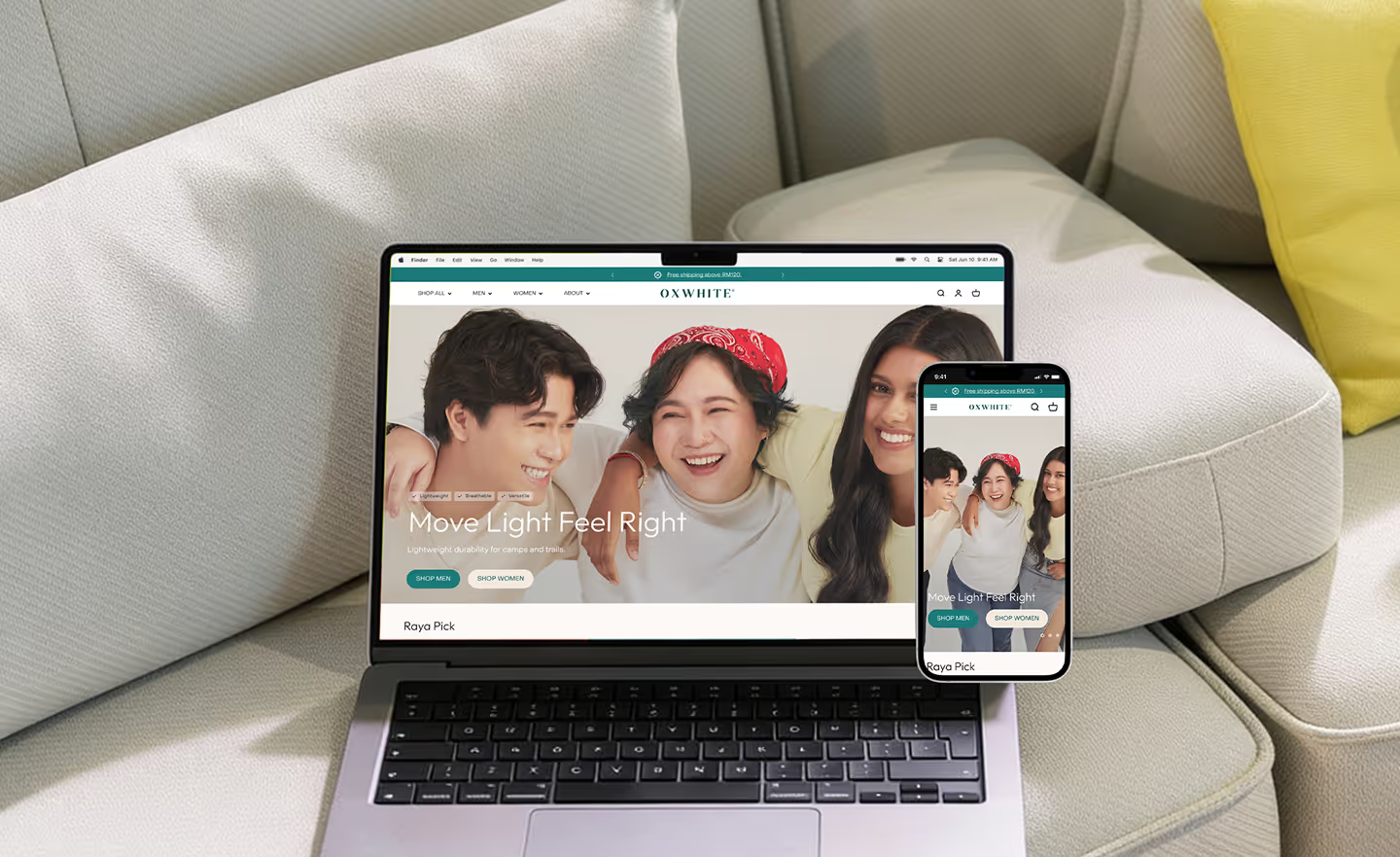
Oxwhite

Driving +25% AOV: Strategic UX and navigation for a minimalist lifestyle leader.
Circle DNA Website Mockup for Mobile and Desktop

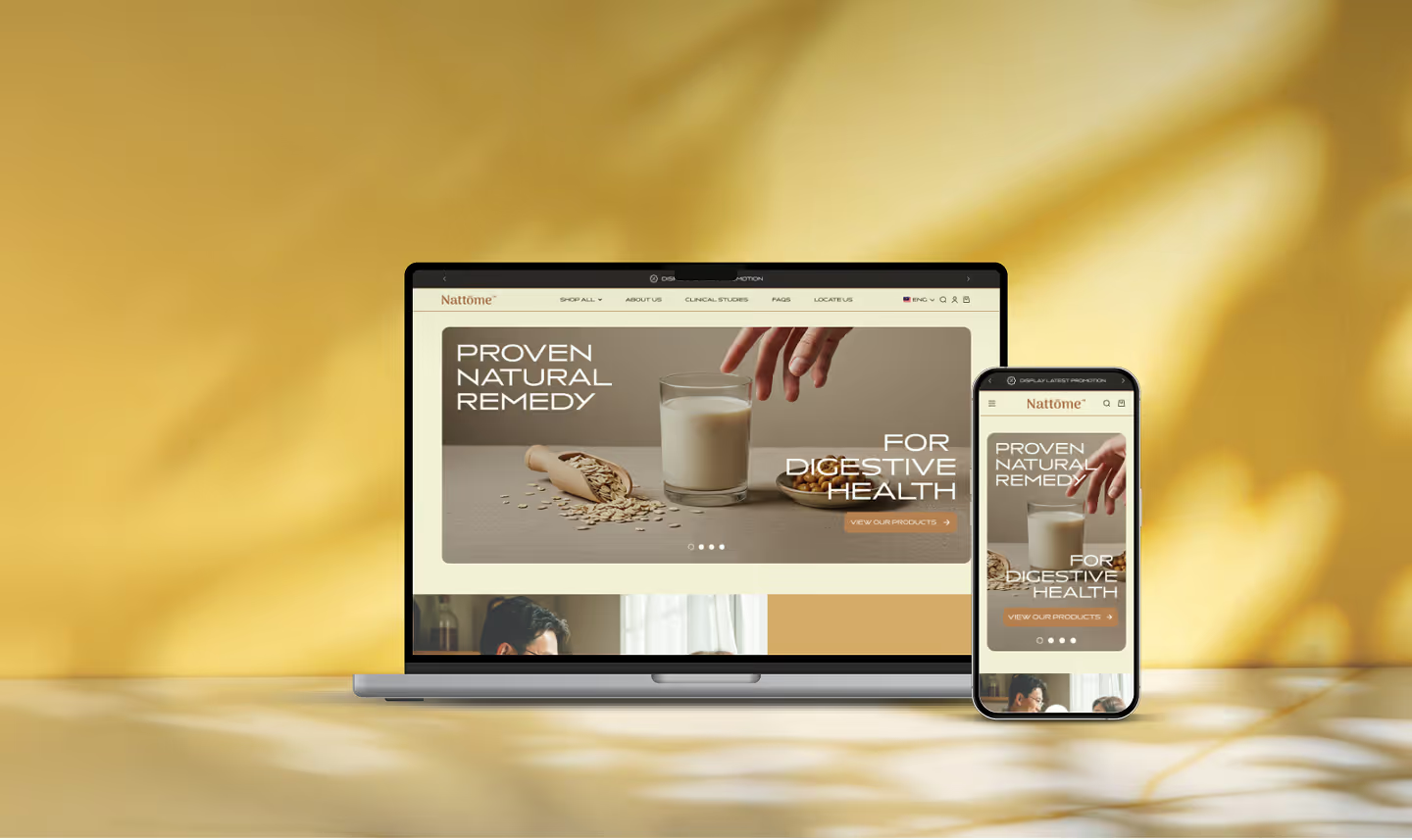
Nattome

Boosting Conversions by +40%: An education-first Shopify revamp for a natural health leader.
Circle DNA Website Mockup for Mobile and Desktop

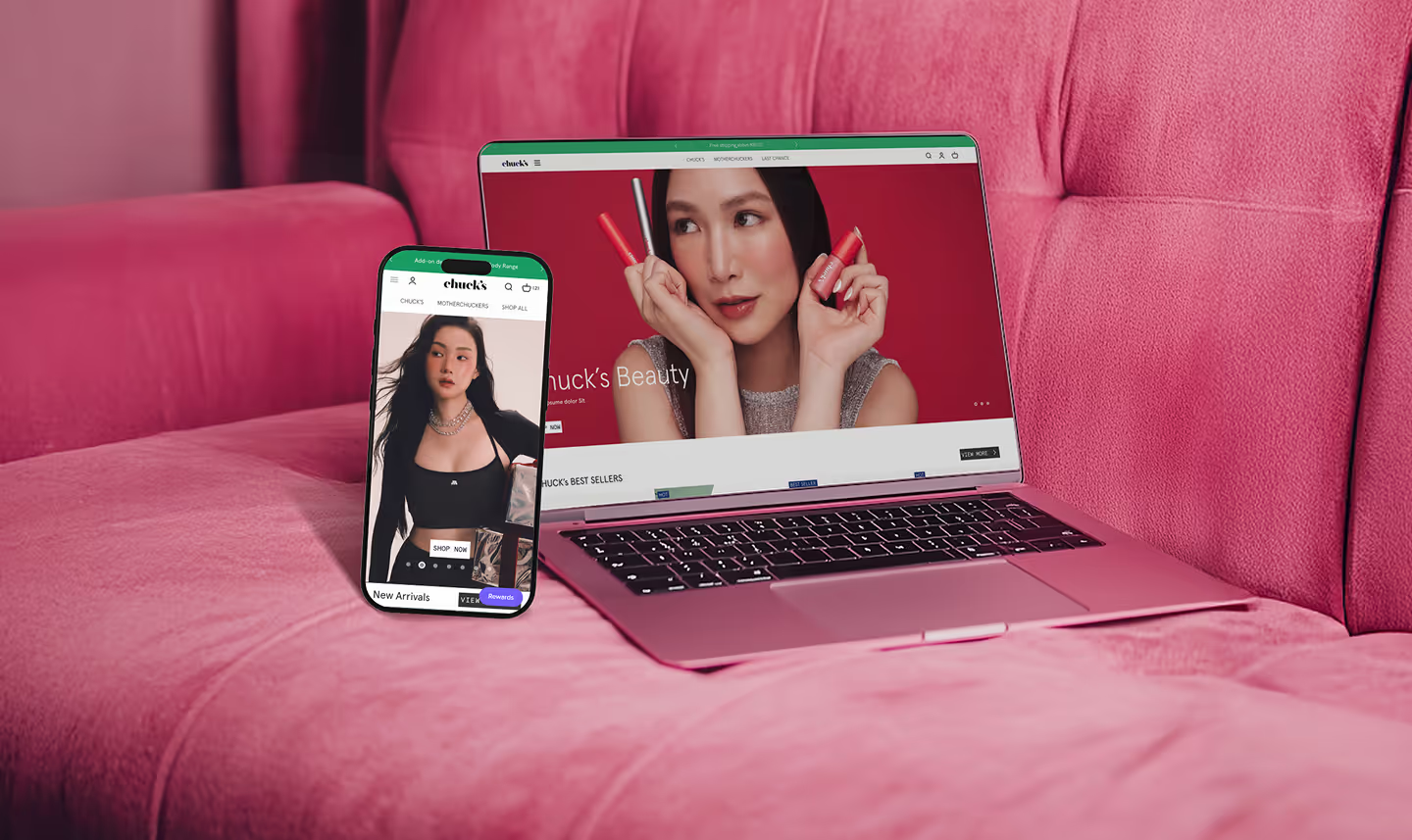
Chuck's

Scaling Sales by +89%: Transforming the storefront and UX hierarchy of a bold beauty disruptor.

Check Out @conversiondaryl

Roasting and fixing e-commerce websites, offering valuable marketing insights from a professional's perspective.
NADA Identity | Ad Performance

NADA Identity is a Malaysian modest activewear label selling direct through its own website, built around windbreakers, hoodies and athleisure designed for covered, active wear. The brand had built a strong following on product drops that sold out within hours.

In April 2026 a new account lead took over and re-audited the account from the ground up. That month closed just under the 8× return the business needs to break even. Five months later the account was running at 10.1× on two and a half times the spend.

‍